Summer Clothes: A Designer's Review for Real Projects
As a designer who spends more time staring at stitch maps than most people stare at their phones, I approach every new machine embroidery design with a mix of excitement and skepticism. We've all been there: a file looks vibrant on the screen, but once it hits the fabric, the details muddy, or the density pulls the garment out of shape. That's why I took a close look at Summer Clothes before committing it to any client work or personal embroidery project. This isn't just about whether it's "cute"; it's about whether it holds up under the needle and delivers value to the end user.
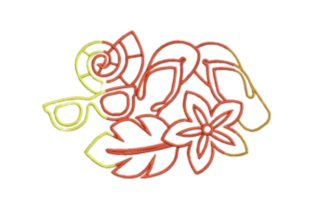
The first impression of Summer Clothes is undeniably cheerful. The layout captures that specific, breezy mood we associate with warm weather—think lazy afternoons, sun-drenched patios, and light fabrics. Visually, the design feels open and airy rather than cluttered, which is a massive plus for summer-themed items where heavy stitching can feel oppressive against lightweight textiles. The color palette suggested in the preview leans into bright, saturated tones that pop, but as any experienced embroiderer knows, the real test is how those thread colors translate when you are working with your own stash or matching a client's brand guidelines.
Putting Summer Clothes to the Test: Real-World Scenarios
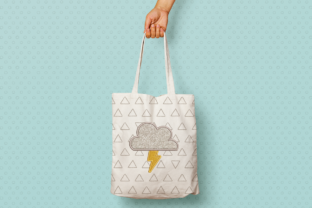
To truly evaluate this design, I imagined a specific scenario: a small boutique owner preparing a limited run of custom tote bags for a local farmer's market. These aren't just any bags; they need to withstand frequent washing, carry heavy groceries, and still look professional after months of use. Summer Clothes fits this tote bag design concept naturally. Its shapes are distinct enough to be recognized from a distance, making it excellent for merchandise that needs to grab attention on a crowded craft fair table.
Beyond totes, I can see this working beautifully as sweatshirt embroidery for those cooler summer evenings or as a playful accent on a denim jacket. For Etsy sellers looking to expand their catalog beyond the usual monograms, this design offers a thematic anchor. It speaks to a lifestyle, not just a name. If you are creating a personalized gift for a new mother, scaling this down for baby embroidery on a onesie or burp cloth could be charming, provided you adjust the density appropriately for delicate skin and frequent laundering.
The versatility extends to home goods as well. Imagine this stitched onto a linen tea towel or a canvas apron. In these contexts, the design acts as a focal point without overwhelming the utility of the item. For commercial embroidery projects, consistency is key. If you are producing fifty units for a corporate retreat or a wedding party, you need a design that stitches out reliably every single time. Summer Clothes appears to have a balanced structure that suggests it could handle repeat production, though testing is always non-negotiable.
Navigating Fabric Textures and Technical Challenges
While the aesthetic appeal is strong, a professional review must address the technical hurdles. Where does Summer Clothes demand caution? First, consider the fabric texture. On thick, textured towels or waffle weave, fine details might get lost. If the design relies heavily on satin stitch columns for definition, those smooth lines could break up on uneven surfaces. In such cases, a heavier weight stabilizer is mandatory to prevent the fabric from puckering and to support the stitch structure.
Another critical factor is the hoop size. Although the product description mentions multiple file formats, it doesn't specify exact dimensions. Before purchasing, you must verify that the design fits within your available hoops, especially if you plan to embroider curved surfaces like caps or visors. A design that is too large or has elements extending too close to the edge can cause framing issues, leading to misaligned stitches or hoop burns. For cap embroidery, ensure the design isn't too tall, as the curvature of the front panel can distort wider images.
Density is another area requiring a keen eye. Summer garments often utilize thin, stretchy fabrics like tri-blend tees or rayon. If Summer Clothes has high stitch density, it could make the fabric stiff or cause it to warp. I recommend running a test on scrap fabric identical to your final product. Check the back of the sample; if there is excessive thread buildup, you may need to digitize a lighter version or use a cut-away stabilizer to maintain integrity without adding bulk. Additionally, pay attention to tiny corners and sharp turns. In smaller sizes, these areas can become clumps of thread if the underlay isn't sufficient.
Enhancing Brand Value and Customer Trust
Ultimately, the choice of a design impacts your bottom line. Using a high-quality digital embroidery file like Summer Clothes elevates the perceived value of your handmade product. Customers can tell the difference between a crisp, well-executed stitch and a messy, poorly planned one. When your finished product looks professional, it builds trust. It tells the buyer that you care about quality, which encourages repeat business and positive reviews.
For those selling design assets or printable mockups, the visual clarity of this design is a significant asset. It photographs well, which is crucial for online listings. A design that pops in a thumbnail image can significantly increase click-through rates for an Etsy seller. However, remember that what looks good on a screen must translate to reality. Always compare your physical sample against your mockup to ensure you aren't overpromising on the final look.
Final Verdict and Designer Notes
So, is Summer Clothes worth adding to your library? From a design perspective, it offers a solid foundation for a variety of seasonal projects. Its mood is right, and its application potential is broad. However, success lies in the execution. Here are my practical recommendations before you start stitching:
- Test First: Never skip the scrap fabric test. Check how the design behaves on both light and dark backgrounds.
- Check Contrast: Ensure your chosen thread colors provide enough contrast against the fabric so the design remains legible.
- Review Density: If stitching on stretchy knits, consider reducing density or using a water-soluble topper to prevent sinking stitches.
- Verify Licensing: The description notes multiple formats but doesn't detail license terms. Confirm whether you have rights for commercial use before selling finished items.
- Inspect Details: Zoom in on the stitch map. Look for long jumps or unnecessary trims that could slow down production.
In the world of custom apparel and handmade goods, the devil is in the details. Summer Clothes has the potential to be a standout piece in your collection, bringing a touch of sunshine to everything from kitchen towels to boutique fashion. Just remember that the best results come from respecting the materials, understanding the machine, and treating every embroidery file with the critical eye it deserves. Happy stitching!