Quadtrac Tractor: A Designer's Review for Real Projects
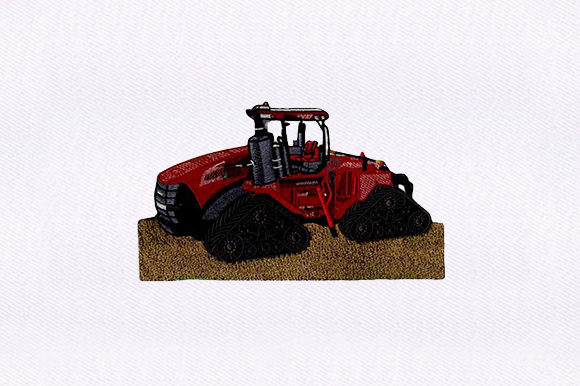
When I first pulled up the Quadtrac Tractor design on my screen, I didn't just see a digital file; I saw a potential bestseller for my upcoming fall collection. As someone who spends hours tweaking stitch paths and testing fabrics, my initial reaction to any new machine embroidery design is rarely about excitement—it's about scrutiny. Does this look like a generic clipart conversion, or does it have the depth and character needed for a high-end handmade product? The Quadtrac Tractor immediately stood out because of its bold silhouette and industrial feel, capturing the essence of modern farm machinery without getting lost in unnecessary noise.
The visual personality of this piece leans heavily into strength and utility. It's not a whimsical, cartoonish tractor; it has weight. The lines are clean, suggesting a layout that prioritizes clarity over excessive ornamentation. For designers and Etsy sellers looking to tap into the agricultural market or create gifts for equipment enthusiasts, this mood is perfect. It speaks to people who appreciate heavy-duty gear, making it an ideal candidate for workwear, rugged home decor, or personalized gifts for the farmer in your life.
Putting the Design to the Test: A Real-World Scenario
To truly evaluate the Quadtrac Tractor, I imagined a specific project: a custom sweatshirt embroidery order for a local farming cooperative. They wanted logos for their team jackets that would withstand daily wear and washing while looking professional from a distance. I visualized placing the design on the left chest of a heavyweight cotton blend sweatshirt. The shape of the tractor, with its distinctive four-track system, offers a wide but balanced footprint. This makes it excellent for placement on tote bags or the back of a jacket, where horizontal space is available.
In this scenario, the design's performance hinges on how well the details translate to thread. Intricate elements can sometimes turn into a muddy mess if the stitch density is too high or if the scaling is off. However, the Quadtrac Tractor appears to maintain strong definition. The separation between the cab, the engine block, and the tracks suggests a thoughtful use of fill stitch and satin stitch boundaries. If I were stitching this for a client, I'd expect the finished product to have a crisp, raised texture that feels substantial under the hand—a key factor in perceived value.
Versatility Across Products and Markets
One of the strongest assets of the Quadtrac Tractor is its adaptability. While my mental test was a sweatshirt, this embroidery file could easily migrate to other substrates. Imagine this stitched as a large central graphic on a canvas tote bag design for a farmers' market vendor. The dark, solid areas of the tractor would pop beautifully against natural linen or heavy duck cloth. Alternatively, scaled down, it could serve as a charming accent for baby embroidery projects, perhaps on a denim romper or a nursery pillow cover, appealing to parents who want to introduce rural themes early on.
For commercial embroidery professionals, the design offers a solid foundation for branding. It works well for creating embroidered patches that can be ironed onto hats or vests. The geometric nature of the tracks provides a great opportunity to play with thread colors. While traditional red or green might be the go-to, experimenting with monochromatic schemes or high-contrast neon threads could modernize the look for a younger demographic. This flexibility allows craft business owners to create diverse product lines from a single design asset.
Critical Considerations for Stitching Success
Despite its strengths, no design is without its challenges, and a responsible reviewer must highlight where caution is needed. The Quadtrac Tractor features detailed mechanical elements that require careful attention when working with difficult materials. If you plan to stitch this on stretchy fabric like jersey knits or performance polos, the stability of the design is paramount. The dense areas representing the tracks could cause puckering if the proper stabilizer isn't used. I strongly advise using a cut-away stabilizer for these applications to ensure the design remains flat and distortion-free after multiple washes.
Another area to watch is the hoop size. Depending on the specific dimensions of the file you purchase, the width of the tractor might require a larger hoop than standard cap frames allow. If you intend to place this on a curved surface like a baseball cap, you must verify the maximum width of the design against your machine's capabilities. Furthermore, tiny details such as window outlines or grille textures might get lost if the design is resized too small. Always inspect the digital embroidery file at 100% zoom before committing to a production run.
Fabric texture also plays a crucial role. On highly textured towels or looped terrycloth, fine running stitches might sink in and disappear. For a kitchen towel or bathrobe application, you might need to adjust the underlay settings or choose a slightly larger size to ensure the finished product retains its clarity. Dark fabrics present another consideration; if the design relies on dark thread colors for shading, ensure there is enough contrast against the background material, or consider adding a light-colored underlay to prevent the fabric color from altering the intended look of the tractor.
Enhancing Brand Value and Customer Trust
Ultimately, the choice of design impacts your brand's reputation. Using a high-quality, well-digitized image like the Quadtrac Tractor signals professionalism to your customers. When a buyer receives a personalized gift or a piece of custom apparel where the stitching is clean, the colors are vibrant, and the subject matter is recognizable, it builds trust. They are more likely to return for future purchases or recommend your small shop product to others.
In the world of online sales, where customers can't touch the item before buying, your printable mockup images are everything. The distinct shape of this tractor photographs well, creating strong silhouettes in product previews. Whether you are listing on Etsy or updating your boutique's website, the visual appeal of this design can drive engagement. It tells a story of durability and heritage, which resonates deeply with the target audience for Farm themed goods.
Final Designer Notes and Best Practices
Before you start stitching, treat every new acquisition with a protocol. First, always test the design on a scrap piece of the actual fabric you intend to use. This simple step saves time, thread, and frustration. Check the thread color sequence; sometimes default palettes need tweaking to match specific brand colors or seasonal trends. Review the stitch density in the track areas—if it looks too solid, consider editing the file to reduce bulk, especially for lighter garments.
Confirm the licensing terms associated with the Quadtrac Tractor. As a digital product seller or someone creating items for resale, understanding whether you have commercial rights is non-negotiable. Ensure the license covers the volume of production you plan to undertake. Finally, compare how the design looks on both light and dark backgrounds. A design that shines on white might vanish on black without proper outlining or underlay adjustments.
The Quadtrac Tractor is more than just a picture of a vehicle; it is a versatile tool for creators. With the right preparation, fabric selection, and stitching technique, it can elevate a simple piece of cloth into a cherished keepsake or a profitable inventory item. By respecting the technical requirements and leveraging its strong visual identity, you can create embroidery projects that stand out in a crowded marketplace.