Rest Stop for Bees Flower: A Craft Fair Best-Seller Review
As an embroidery designer who has spent countless weekends behind a booth table, I know that the difference between a browsing customer and a buying customer often comes down to one thing: visual impact. When I first pulled up the Rest Stop for Bees Flower design on my screen, my immediate reaction was that this is exactly the kind of machine embroidery design that bridges the gap between rustic charm and modern appeal. In the world of Sewing and handmade goods, we are constantly looking for motifs that tell a story without needing a paragraph of explanation. This design feels like a warm invitation, perfect for the current market trend toward nature-inspired and eco-conscious aesthetics.
First Impressions and Market Fit
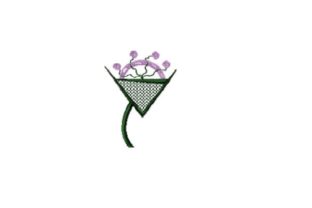
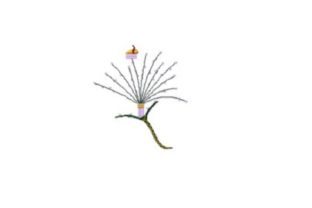
The title alone suggests a narrative. "Rest Stop for Bees" implies movement, nature, and a moment of pause. Visually, I imagine this Rest Stop for Bees Flower as a bold yet soft centerpiece. It doesn't scream; it whispers quality. For craft fair sellers and Etsy seller accounts looking to expand their catalog, this design hits the sweet spot of being decorative enough to stand out but minimal enough to fit into various home decor styles. It feels farmhouse-adjacent but clean enough for a modern boutique. When you are curating a table display, you need items that draw the eye from three feet away, and a well-executed floral bee motif does exactly that.
Ideal Products for Maximum Sales
In my experience preparing for a weekend market, not every fabric is created equal for every design. Here is how I see the Rest Stop for Bees Flower performing across different handmade product categories:
- Tote Bags and Market Bags: This is arguably the strongest contender for a tote bag design. The natural theme pairs perfectly with canvas or cotton twill. A large hoop placement on the front of a neutral-colored bag creates an instant best-seller. Customers love reusable bags that look artistic rather than promotional.
- Kitchen Linens: For tea towel embroidery, this design offers a lovely focal point. Placed near the hem or centered on a flour sack towel, it elevates a simple $5 item into a $15 giftable piece. The contrast of colorful threads against white or cream linen is always a winner.
- Aprons: An apron embroidery featuring this motif on the bib or pocket adds a touch of whimsy for the home baker or gardener. It transforms a utility item into a statement piece.
- Patches and Pouches: If you are selling small shop product accessories, stitching this onto a denim backing to create an embroidered patch allows for versatile application. It also works beautifully on small fabric pouches for cosmetics or coins.
Production Practicality and Batch Efficiency
When running a business, time is money. One of the key factors in choosing a design for commercial embroidery is repeatability. The Rest Stop for Bees Flower appears to be structured in a way that should allow for efficient batch production. Unlike designs with excessive traveling stitches or complex color changes that halt the machine every thirty seconds, a floral motif like this usually flows well. However, before committing to a full run of fifty tote bags, you must verify the stitch density. If the petals are too dense, they can cause puckering on lighter fabrics, while sparse stitching might look cheap on heavy canvas.
Photography is another critical element for online listings. This design likely photographs exceptionally well for a printable mockup or actual product shots. The organic shapes of flowers and bees create natural shadows and depth that flat graphics lack. For your Etsy listings, ensure you capture the texture of the thread against the fabric texture to convey the handmade quality that buyers are willing to pay a premium for.
Critical Considerations for Execution
While the design promises to look great on any fabric, experienced designers know that "any fabric" requires adjustments. Here are some careful-use notes to keep in mind before you start stitching:
- Fabric Texture and Weight: On textured towels, fine details can get lost. Ensure the thread colors have enough contrast against the base material. If using dark fabric, you may need an underlay or a slightly modified version of the file to prevent the background from showing through.
- Curved Surfaces: If you plan to put this on caps, remember that the curved surface distorts the image. A design that looks perfect flat might look stretched on a structured cap. Test your hoop size and framing technique carefully.
- Small Details: Bees often have tiny wings or antennae. Check if these elements remain clear at smaller sizes. If you are shrinking the design for a pocket logo, ensure those tiny details don't turn into a blob of thread.
- Stabilizer Selection: The right stabilizer is non-negotiable. For stretchy fabrics like t-shirts, use a cut-away. For stable wovens like tote bags, a tear-away might suffice, but always test first to avoid ghosting or shifting.
Enhancing Brand Value and Customer Engagement
Ultimately, the Rest Stop for Bees Flower is more than just a pattern; it is a tool for brand building. Using consistent, high-quality design assets like this helps establish a cohesive look for your booth. When customers see a beautifully stitched flower on a bag, then on a towel, and then on a patch, they recognize your brand's attention to detail. This consistency builds trust and increases the perceived value of your finished product.
Buyer engagement often spikes when a product tells a story. You can market this item by highlighting the "rest stop" concept—encouraging people to slow down and appreciate nature. This emotional connection can be the deciding factor in a sale. Whether you are a digital seller offering the digital embroidery file or a maker selling physical goods, this design supports a narrative of mindfulness and craftsmanship.
Final Designer Recommendations
Before you list this as your next big craft fair product, take these practical steps. First, stitch a sample on scrap fabric that matches your intended final material. Check the spacing between elements and ensure no threads are breaking. Second, compare how the design looks on at least three different fabric colors to determine your best-selling combinations. Third, confirm the commercial licensing terms included with the file. The description states it is an original quality embroidery, but you must verify if the license covers unlimited physical sales or if there are restrictions on selling the file itself.
Since specific technical details like exact stitch count, specific file formats (PES, DST, EXP), and precise hoop requirements were not provided in the brief description, it is vital to check the download package or contact the designer for these specs before production. Never assume a file is optimized for your specific machine without a test run. By treating the Rest Stop for Bees Flower with the professional scrutiny it deserves, you can turn a lovely digital file into a tangible asset that drives sales and delights customers at your next market event.