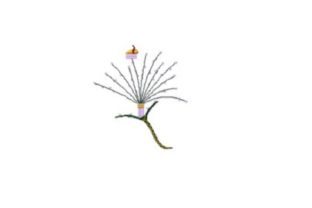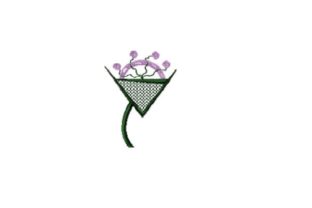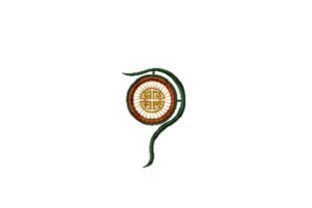
Moon Mazing Review: The Perfect Craft Fair Embroidery Design
As an embroidery designer who has spent countless weekends setting up booth displays at local craft fairs and handmade markets, I know that the difference between a browsing customer and a buyer often comes down to one thing: visual impact. When I first pulled up the Moon Mazing design on my screen, I wasn't just looking at a digital file; I was imagining how it would look stitched out on a linen tote bag under the bright lights of a convention center or pinned to a rustic wooden display board. This machine embroidery design promises to be an original quality addition to your next sewing project, but does it have the staying power to become a bestseller for Etsy sellers and boutique makers? Let's break it down from a practical, profit-focused perspective.
First Impressions: Mood and Market Fit
The title "Moon Mazing" immediately evokes a sense of whimsy and mystery. Based on the description stating it is a "lovely embroidery," I anticipate a design that balances decorative charm with modern simplicity. For craft fair sellers, this is crucial. Your craft fair product needs to communicate its vibe within three seconds of a customer walking by. Moon Mazing feels like it fits perfectly into the current trend of celestial and nature-inspired aesthetics that dominate the handmade market. It isn't overly childish, nor is it strictly traditional; it sits in that sweet spot of "modern rustic" that appeals to a wide demographic, from young adults looking for unique accessories to homeowners seeking decorative accents.
When evaluating a digital embroidery file for commercial use, I always ask: Is it bold enough to be seen from three feet away? If Moon Mazing relies on fine, hairline details, it might get lost on a busy booth table. However, if it utilizes solid fill areas and clear outlines, it becomes a powerful focal point. The description suggests versatility ("look great on any fabric"), which implies a balanced stitch structure that shouldn't disappear into textured materials.
Product Applications: Where Moon Mazing Shines
The true test of any embroidery file is its adaptability across different products. Here is how I see Moon Mazing performing on various items for a weekend market:
- Tote Bags and Market Bags: This is likely the strongest contender for Moon Mazing. A large hoop placement on a canvas or cotton tote allows the design to breathe. As a tote bag design, it offers high visibility and perceived value. Customers love buying bags that feel like art pieces.
- Aprons and Tea Towels: For the kitchen section of your booth, apron embroidery and tea towel embroidery are steady sellers. Moon Mazing would work beautifully centered on a bib apron or as a corner accent on a flour sack towel. The "lovely" nature of the design complements the cozy, domestic feel of these items.
- Patches and Pouches: If you create embroidered patch inventories, this design could be a hit. Patches are low-cost, high-margin small shop products that allow customers to try your brand without a huge investment. Similarly, small fabric pouches with Moon Mazing make excellent impulse buys near the checkout counter.
- Caps and Pillow Covers: While viable, these require more caution. Caps have curved surfaces that can distort designs, and pillow covers demand precise centering. Moon Mazing should only be used here if the stitch count and density are optimized for these specific textures.
Production Realities and Practical Selling Points
Turning a design into a finished product requires more than just hitting "start" on the machine. For commercial embroidery operations, repeatability is key. Moon Mazing appears to be a design that, once hooped correctly, should run consistently. However, before you commit to batch production for your next event, consider the following:
Visual Clarity at a Glance: Does the design read clearly? In a crowded market, complex designs can look like muddy blobs from a distance. Moon Mazing needs to have sufficient contrast between the thread colors and the fabric. If you are stitching on dark fabric, ensure the design includes enough light-colored threads to pop. Conversely, on white fabric, darker threads will provide the necessary definition.
Photography and Online Listings: For the Etsy seller, the design must photograph well. Moon Mazing should translate beautifully into a printable mockup or a flat-lay photo. Designs with distinct shapes and good spacing tend to look sharper in thumbnail images, driving more clicks to your listing. Ensure your product photos highlight the texture of the stitches, as this proves the item is a genuine handmade product rather than a printed imitation.
Careful-Use Notes and Technical Considerations
Even the loveliest designs have limitations. To protect your reputation and minimize waste, keep these technical factors in mind when working with Moon Mazing:
- Stitch Density: Check the stitch density before running a full batch. If the design is too dense, it can cause puckering, especially on lighter fabrics like tea towels. If it is too sparse, the backing might show through, reducing the premium feel.
- Fabric Texture: The description claims it works on "any fabric," but in reality, fabric texture matters. Highly textured towels or thick denim may swallow up small details. Always test on a scrap piece of your actual inventory fabric first.
- Curved Surfaces: If applying this to caps, be wary of distortion. Designs with long horizontal lines or perfect circles can look warped on a curved brim. Moon Mazing might need adjustment or careful positioning to maintain its integrity on hats.
- Small Lettering and Details: If the design incorporates text or tiny elements, verify that they remain legible at smaller sizes. Tiny details often merge together when scaled down for patches or small pouches.
- Stabilizer Selection: The right stabilizer is non-negotiable. For stretchy fabrics like t-shirts, use a cut-away stabilizer to prevent distortion over time. For woven items like tote bags, a tear-away might suffice, but always prioritize stability to ensure the handmade quality remains intact after washing.
Maximizing Value and Brand Consistency
Incorporating Moon Mazing into your lineup can significantly boost your booth display strength. When customers see a cohesive collection of items featuring the same high-quality motif, it reinforces brand consistency. It tells them you are a serious creator with a curated vision. Whether it's a set of matching kitchen linens or a coordinated gift set of a tote and pouch, this design helps elevate the perceived value of your goods.
Buyer engagement often hinges on the story you tell. Moon Mazing offers a narrative of night skies, dreams, and navigation—themes that resonate emotionally. Use this to your advantage in your product descriptions and signage. Explain why you chose this design asset and how it reflects the care put into every stitch.
Final Designer Recommendations
Before listing Moon Mazing as a core part of your inventory, follow these essential steps:
- Test on Scrap Fabric: Never skip the test stitch-out. Verify the registration and thread breaks.
- Check Thread Contrast: Ensure your chosen thread palette creates the desired mood and visibility.
- Confirm Hoop Size: The product description does not specify the exact hoop size or stitch count. You must check the file properties to ensure it fits your intended products without requiring re-hooping or resizing that could compromise quality.
- Review Licensing: Since this is an original quality embroidery, confirm the commercial licensing terms. Ensure you are cleared to sell finished products made with this file, especially if you plan to scale up production.
- Create a Real Mockup: Don't rely solely on digital previews. Stitch one real sample to judge the tactile feel and drape of the fabric.
Moon Mazing has the potential to be a standout star in your Sewing and embroidery catalog. By approaching it with a critical eye for detail and a strategy focused on market trends, you can turn this lovely design into a reliable revenue generator for your handmade business.