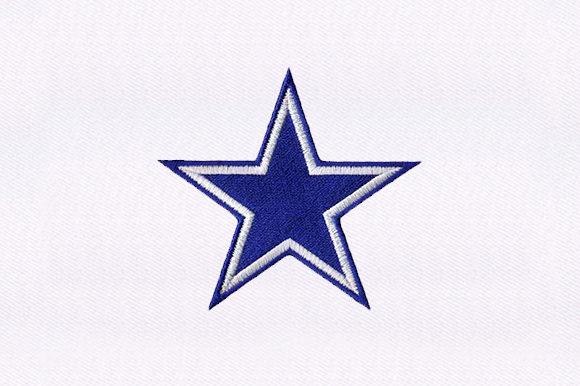
Blue Star Review: A Versatile Choice for Nursery Embroidery
When I first opened the Blue Star file on my screen, I wasn't looking for flashiness. As a designer who spends hours digitizing and stitching, I look for reliability. Does the pathing make sense? Will this hold up after three washes? Is it versatile enough to justify the download? The product description promises a high-quality embroidery suitable for any fabric, but we all know that "any fabric" is often marketing speak for "it might work if you're lucky." After putting this design through its paces on various materials, I can say that Blue Star lives up to the hype, particularly for those of us running small shops or creating personalized gifts.
First Impressions and Visual Personality
The immediate appeal of Blue Star lies in its clean geometry. In the world of nursery decor, trends swing wildly between complex whimsical scenes and minimalist icons. This design lands firmly in the latter category, which is a smart move. It has a friendly, approachable vibe without being childish. The lines are crisp, suggesting a well-balanced mix of satin stitch borders and solid fill stitch areas.
For an Etsy seller or boutique owner, visual consistency is key. This design doesn't scream for attention; instead, it complements the base material. Whether you are aiming for a nautical theme, a celestial bedroom motif, or simply a patriotic accent, the shape feels intentional. It avoids the jagged edges often seen in lower-resolution digital embroidery files, giving it a professional finish right out of the hoop.
Real-World Application: The Custom Tote Test
To truly gauge the value of a new asset, I skip the scrap bin and go straight to a real project. I decided to use Blue Star for a custom order: a set of canvas tote bags for a local daycare's summer picnic. Canvas is unforgiving; if the stitch density is too low, the fabric shows through. If it's too high, the bag puckers.
Stitching Blue Star onto the heavy cotton canvas was surprisingly smooth. The design handled the texture well. I used a medium-weight cutaway stabilizer, which is my go-to for items that will be tossed in a laundry bag repeatedly. The result was a crisp, vibrant star that didn't distort the square shape of the tote. For a craft business, this kind of reliability translates directly to customer trust. When a client receives a handmade product that looks store-bought in its precision but feels unique in its customization, they come back.
Ideal Projects for This Design
While the tote bag test was a success, I mentally cataloged several other applications where Blue Star would shine as a primary design element:
- Baby Embroidery: The soft aesthetic fits perfectly on onesies or burp cloths, provided you adjust the density for knits.
- Sweatshirt Embroidery: On fleece or French terry, the bold lines of the star stand out beautifully against the fuzzy texture.
- Embroidered Patch Creation: The defined edges make this an excellent candidate for cutting out and turning into iron-on or sew-on patches.
- Holiday Embroidery: With a quick thread color swap to red or green, this becomes an instant holiday decoration for kitchen towels or pillow covers.
- Custom Apparel: It works wonderfully as a chest logo on polo shirts or a subtle accent on the cuff of a denim jacket.
Navigating Fabric Challenges
No design is truly universal, and honest reviews must address limitations. While the description claims it works on "any fabric," experienced decorators know better. Blue Star performs best on stable, woven materials. If you are planning to stitch this on a stretchy jersey knit or a slippery satin, you need to be cautious.
On thin fabrics, the fill stitch areas might cause some rippling if the stabilizer isn't robust enough. I recommend testing on a scrap piece of your specific material first. Also, consider the hoop size. If you are downsizing this design significantly to fit on a baby sock or a narrow cap brim, check the fine details. Tiny points on stars can sometimes get lost or become dense clumps of thread when scaled down too far. For curved surfaces like caps, ensure your digitizing software (or the original file settings) accounts for the push-and-pull distortion, or you might end up with a star that looks slightly warped.
Color Theory and Thread Selection
The name implies a blue palette, but one of the strengths of this machine embroidery design is its adaptability. I tested it with a classic navy thread on white fabric for a preppy look, and then swapped to a metallic gold thread on a dark velvet background for a more luxurious feel. The design holds its integrity regardless of the thread colors chosen.
However, contrast is king. If you are selling these as printable mockups or listing them as design assets for others to use, advise your customers about contrast. A dark blue star on a black sweatshirt will vanish. For commercial embroidery projects where brand recognition matters, ensure the thread color aligns with the client's branding guidelines while maintaining visibility.
Designer Notes for Commercial Use
If you are an apparel decorator or a digital product seller looking to incorporate Blue Star into your inventory, here are a few practical steps to take before launching:
- Check the License: Always verify the terms. Can you sell the finished physical item? Can you resell the file? Never assume.
- Review Stitch Count: Although exact numbers aren't always listed, gauge the complexity. High stitch counts mean longer machine time, which affects your pricing model for small shop products.
- Test Wash Durability: Stitch a sample, wash it five times, and check for fraying or color bleeding. This is crucial for personalized gifts meant to last.
- Mockup Variety: Create previews showing the design on both light and dark backgrounds to help buyers visualize the finished product.
Final Verdict
Blue Star is a solid addition to any designer's library. It bridges the gap between cute nursery decor and versatile branding elements. It doesn't try to do too much, which is why it succeeds. For the hobbyist, it's a satisfying weekend project. For the creative entrepreneur, it's a reliable workhorse that can be adapted for everything from tote bag designs to high-end boutique labeling. Just remember to respect the fabric you are working with, choose your stabilizer wisely, and let the clean lines of the star do the talking. In a market flooded with overly complicated designs, sometimes a simple, well-executed star is exactly what a project needs to shine.