Husky Face Embroidery Review for Small Business Merch
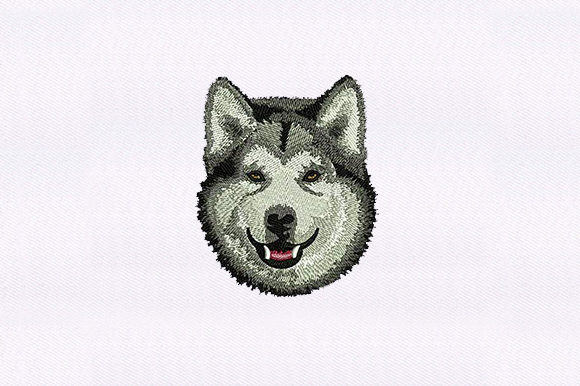
As an embroidery designer who has spent years digitizing and reviewing files for commercial use, I approach every new machine embroidery design with a critical eye. It is not just about whether the image looks cute on a screen; it is about how that digital embroidery file translates into a tangible asset for a brand. Today, I am reviewing the Husky Face design, a file categorized under Dogs, to determine its viability for small business merchandise, branded patches, and custom apparel.
The product description states that this is a high-quality embroidery suitable for any fabric or clothes. While that is a bold claim, my job is to dissect what that means for a boutique owner, a café manager, or an Etsy seller looking to elevate their brand identity. The first impression of the Husky Face is one of friendly professionalism. Unlike overly cartoonish animal motifs that might feel childish, this design appears to strike a balance between approachable and premium. For a pet brand, a creative studio, or even a local bakery wanting to add a mascot to their uniforms, this visual personality is crucial. It suggests warmth without sacrificing the clean lines needed for a professional look.
Real-World Application for Branded Merchandise
When considering where to deploy the Husky Face, the versatility mentioned in the description holds significant weight for small business merch creators. Let us imagine a scenario where a local coffee shop wants to create staff uniforms that stand out. Placing this design as a chest logo accent on a work shirt or as a subtle sleeve detail can instantly humanize the brand. It moves beyond generic text logos and adds a layer of character that customers remember.
For those running an embroidered patch business, this design is a strong candidate. Patches are currently a massive trend in custom apparel, and a well-executed husky face can be sold as a standalone product or used as a value-add for customer orders. Furthermore, consider the application on apron embroidery for florists or bakers. A husky motif here feels rustic and handmade, aligning perfectly with the aesthetic of artisanal goods. It also works exceptionally well on tote bag design projects. A sturdy canvas tote featuring the Husky Face becomes more than just a bag; it becomes a walking advertisement for the shop that gifted it.
In the realm of cap embroidery, this design could serve as a striking front panel element. However, caps present unique challenges due to their curved surfaces. The design must have enough structural integrity in its stitching to hold its shape without distorting when applied to a six-panel hat. If the digitizing is sound, this could be a best-seller for outdoor brands or pet-related events.
Critical Considerations for Production Quality
While the potential is high, a professional review must address where caution is required. The description claims the design looks great on "any fabric," but experienced decorators know that fabric texture plays a massive role in the finished product. Highly textured fabrics like looped towels or coarse wool can obscure fine details. If the Husky Face relies on intricate outlines or tiny facial features, these might get lost on rougher materials. It is essential to test the design on the specific material you intend to use before committing to a large production run.
Another factor is stitch density. High-density designs can make fabric stiff and uncomfortable, which is a dealbreaker for wearable items like t-shirts or baby clothes. Conversely, if the density is too low, the backing fabric might show through, especially on dark uniforms. When using this design on dark garments, you must evaluate the thread coverage. Does the design include an underlay that adequately covers the base fabric? Without seeing the actual stitch count or file specifics, I strongly advise running a test stitch-out on a scrap piece of your intended uniform material.
Size is also a variable that demands attention. If you plan to use this as a tiny label on product packaging or a small mark on a collar, ensure the details do not merge together. Small patch sizes can turn distinct eyes or fur textures into a muddy blob if the original digitizing was not optimized for scaling down. Always check if the provider offers multiple sizes or if the file is resizable without losing quality.
Impact on Brand Identity and Customer Trust
Why does the choice of a specific embroidery file matter so much? Because consistency builds trust. When a customer sees the Husky Face on your website, then on your packaging, and finally on your staff's apron, it creates a cohesive visual language. This consistency signals professionalism. It tells the customer that you care about the details, which subconsciously increases the perceived value of your handmade product or service.
For Etsy sellers and craft business owners, unique design assets are what separate a hobby from a business. Using a generic clipart converted to stitches often results in poor quality. Investing in a dedicated design like Husky Face ensures that your commercial embroidery projects look intentional and polished. This attention to detail drives buyer engagement. Customers are more likely to share photos of high-quality merch on social media, providing free marketing for your brand.
Practical Notes for the Embroidery Designer
Before you hoop up your machine for a client order involving the Husky Face, follow these practical steps to ensure success:
- Test in Black and White First: Stitch a sample using only black thread on white fabric (and vice versa). This reveals the true structure of the design and highlights any spacing issues that color might hide.
- Verify Hoop Size: The product description does not specify the exact dimensions. Confirm the required hoop size against your machine's capabilities before purchasing.
- Check Thread Color Contrast: Ensure the suggested thread colors provide enough contrast to define the husky's features, especially if stitching on mid-tone fabrics.
- Select the Right Stabilizer: Match your stabilizer to the fabric weight. A cut-away stabilizer is often safer for patches and items that will undergo frequent washing, while tear-away might suffice for decorative pieces.
- Create a Printable Mockup: Before stitching, create a printable mockup to show your client. This helps manage expectations and secures approval before you waste thread and time.
- Confirm Commercial Licensing: Since this is for business use, explicitly verify the license terms. Ensure you have the right to sell items made with this digital embroidery file.
In conclusion, the Husky Face design holds significant promise for businesses looking to inject personality into their branding. Whether it ends up on a barista's apron, a shopper's tote, or a limited-edition patch, its success lies in proper execution. By respecting the limitations of fabric and machinery and focusing on the strategic placement of the design, you can transform a simple image of a dog into a powerful tool for brand identity. Always remember to validate the technical specs provided by the seller, as the difference between a good design and a great product often comes down to the preparation before the first stitch is ever made.