Bloom Where You Are Planted: A Designer's Review
As a designer who spends more time staring at stitch simulations than most people spend on their phones, I approach every new machine embroidery design with a mix of excitement and skepticism. We've all been there: you buy a file based on a cute thumbnail, only to find out the satin columns are too wide for the hoop or the underlay is non-existent. So, when I pulled up Bunnycup Embroidery's Bloom Where You Are Planted, I wasn't just looking for a pretty picture; I was looking for a workhorse design that could hold up in a real-world embroidery project.
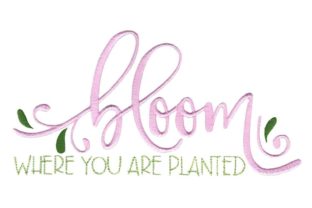
This design immediately struck me as a quintessential Spring piece, but its utility goes far beyond seasonal decor. The layout features a charming balance of typography and botanical elements, creating a mood that is both encouraging and grounded. Visually, it feels organic rather than rigid, which is crucial for modern handmade aesthetics. The first impression is one of warmth, making it an ideal candidate for personalized gifts or boutique branding where emotional connection drives sales.
Real-World Application: The Tote Bag Test
To truly evaluate this embroidery file, I imagined a specific scenario: a custom order for a local farmer's market vendor who needed branded tote bags. She wanted something that spoke to community growth without being overly corporate. Bloom Where You Are Planted fit the brief perfectly. When visualizing this on a canvas tote bag design, the composition works beautifully. The text is legible enough to be read from a distance, while the floral accents add just enough detail to justify the price point of a handmade product.
However, moving from screen to fabric requires practical judgment. If you are planning to use this on a stretchy garment like a sweatshirt embroidery project, you need to pay close attention to the stitch density. Dense areas can cause puckering on knits if not managed correctly. In my assessment, the design appears to have a good balance of fill and running stitches, but I would strongly advise using a cutaway stabilizer rather than tear-away for any apparel application. This ensures the finished product maintains its shape after multiple washes, preserving your reputation as a quality creator.
Versatility Across Products
One of the strongest assets of this design is its adaptability. Because the download includes four sizes tailored for 4×4, 5×7, 6×10, and 8×8 hoops, it opens up a wide range of possibilities for an Etsy seller or craft business owner.
- Baby Embroidery: The smallest size is perfect for bodysuits or bibs. The message is sweet for a nursery setting, and the scale fits well on small garments without overwhelming the fabric.
- Kitchen Linens: Imagine this stitched onto a flour sack towel or an apron. The theme aligns perfectly with home goods, adding value to a simple textile.
- Patches and Caps: For the 4×4 hoop users, this could be digitized further into an embroidered patch or placed on the front of a dad hat. However, curved surfaces like caps require careful hooping to avoid distortion.
- Home Decor: The larger sizes shine on pillow covers or wall hangings, where the detail level can be fully appreciated.
For those selling digital embroidery files or printable mockups, this design offers excellent visual appeal. The combination of script and print fonts creates a dynamic texture that photographs well, enhancing buyer engagement in online listings.
Technical Considerations for Professional Results
While the aesthetic is strong, a professional designer must look at the technical execution. When working with Bloom Where You Are Planted, consider the following factors to ensure commercial-grade results:
- Fabric Texture and Color: This design likely relies on contrast between the thread and the background. On dark fabrics, you may need to adjust the underlay or add a backing layer to prevent the fabric color from showing through the fill stitches. Always test on scrap fabric first.
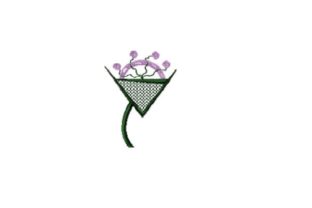
- Small Details: Inspect the tiny leaves or connecting stems in the preview. If these are too fine for your thread weight (e.g., using 40wt instead of 60wt), they might merge or break. Verify that the stitch density allows for clean definition.
- Lettering Legibility: The phrase "Bloom Where You Are Planted" is long. In the smaller hoop sizes, ensure the font remains readable. If the letters become too tight, the stitching may blob together, ruining the professional look.
- Thread Colors: While the default colors in the simulation might be vibrant greens and pinks, don't be afraid to experiment. A monochromatic look using varying shades of one color can create a sophisticated, modern vibe suitable for high-end boutique products.
Commercial Viability and Branding
For small shop owners, consistency is key. Using a design like this across different product lines—from tea towels to t-shirts—helps build brand recognition. The message itself promotes positivity, which resonates well with customers looking for meaningful holiday embroidery or thoughtful gifts. However, before listing items for sale, you must confirm the licensing terms provided by Bunnycup Embroidery. Some designers allow unlimited physical sales but restrict digital redistribution. Ensuring you are compliant protects your craft business from legal issues.
Furthermore, think about how this design affects the perceived value of your item. A well-executed embroidery job signals quality. If the satin stitch edges are smooth and the jump stitches are trimmed cleanly, customers trust the maker. Conversely, poor stabilization leading to puckering can devalue even the most beautiful design. Therefore, treat Bloom Where You Are Planted not just as an image, but as a component of your broader quality control process.
Final Verdict for Makers
In the landscape of available design assets, Bloom Where You Are Planted stands out as a versatile and emotionally resonant choice. It bridges the gap between decorative flair and meaningful messaging. Whether you are creating a one-off personalized gift for a friend or stocking inventory for a spring collection, this design has the structural integrity to perform well, provided you respect the limitations of your materials.
My advice? Don't just stitch it blindly. Treat it like a collaboration between your machine and your creativity. Test it on different fabric textures, play with thread contrasts, and visualize it in black and white mockups to check the balance of light and dark areas. By doing so, you transform a standard digital file into a standout custom apparel piece or home accessory that truly blooms wherever it lands.